Science Kits: A Smart Investment for Modern Education and Learning
Education is changing rapidly as schools, parents, and learning institutions look for more engaging ways to teach children. Traditional teaching methods based only on textbooks and lectures are no longer enough to keep students interested in science and technology. Today, educators are focusing on interactive learning tools that allow students to understand concepts through practical experiences. One of the most effective tools supporting this modern approach to learning is science kits.
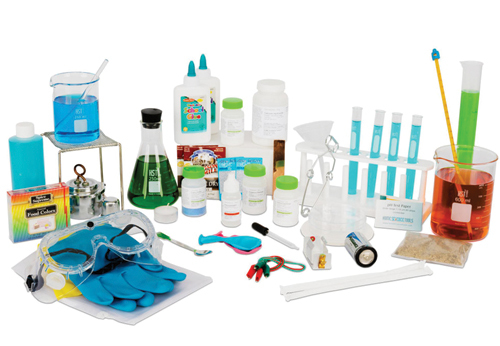
Science kits are specially designed educational packages that include materials, tools, and instructions that allow students to perform experiments and explore scientific concepts. These kits create a small laboratory experience where learners can observe how science works in real life. Instead of only reading about theories, students can test them through experiments.
For businesses and entrepreneurs interested in the education sector, science kits represent a growing opportunity. As educational institutions adopt innovative learning solutions, the demand for hands-on learning tools continues to increase.
What Are Science Kits?
Science kits are collections of educational materials that help students perform experiments related to different scientific subjects such as physics, chemistry, biology, and environmental science. These kits usually include tools such as measuring equipment, magnets, wires, chemical substances, and experiment guides.
Each kit is designed to demonstrate specific scientific principles through simple experiments. Students can follow step-by-step instructions to conduct activities and observe results.
The goal of these kits is to make science accessible and engaging. Instead of relying solely on classroom explanations, learners experience science through experimentation.
Many science kits contain multiple experiments, allowing students to explore several concepts using the same kit. This flexibility makes them useful for both classroom learning and home education.
Importance of Hands-On Learning
Hands-on learning plays an important role in helping students understand complex concepts. When learners actively participate in experiments, they become more engaged and interested in the subject.
Science kits allow students to interact with materials and observe reactions, movements, or changes directly. This practical experience helps them connect theoretical knowledge with real-world applications.
For example, building a simple electrical circuit helps students understand how electricity flows. Similarly, mixing safe chemical compounds can demonstrate chemical reactions.
This type of learning encourages curiosity and deeper understanding. Students remember concepts more effectively when they have experienced them firsthand.
Encouraging Curiosity and Exploration
Children are naturally curious and often ask questions about how things work. Science kits provide a safe and structured way for them to explore these questions.
When students perform experiments, they begin to ask why certain reactions happen or how different elements interact with each other. This curiosity encourages them to investigate further and develop scientific thinking.
Science kits are designed to guide students through discovery while allowing them to explore ideas independently.
This approach encourages exploration, creativity, and independent learning. It also helps students develop a habit of questioning and investigating their surroundings.
These skills are essential for innovation and problem-solving.
Supporting STEM Education
Science kits play a major role in supporting STEM education, which focuses on science, technology, engineering, and mathematics.
STEM education prepares students for future careers in fields such as engineering, technology development, medical research, and environmental science.
By using science kits, students can experiment with concepts related to electronics, physics, biology, and chemistry. These activities help them understand how scientific principles apply to real-world problems.
Early exposure to STEM learning increases students’ interest in pursuing careers in technical and scientific fields.
Schools and educational organizations increasingly use science kits as part of their STEM programs because they encourage active participation and experimentation.
Developing Critical Thinking Skills
Science is not only about memorizing facts; it is about analyzing information and solving problems. Science kits help students develop critical thinking skills by encouraging them to observe results and interpret outcomes.
During experiments, students learn to follow procedures, record observations, and analyze results.
If an experiment produces unexpected results, students are encouraged to investigate the cause. This process teaches them to evaluate information logically and make informed conclusions.
These analytical skills are valuable in many areas of education and professional life.
Building Confidence in Learning
Another important benefit of science kits is that they help students build confidence in their abilities.
When students successfully complete experiments and observe results, they feel a sense of accomplishment. This positive experience encourages them to explore more challenging topics.
Practical learning also reduces fear of complex subjects such as chemistry or physics. When students interact with scientific materials directly, these subjects become easier to understand.
Confidence in learning motivates students to continue exploring scientific concepts and developing new skills.
Encouraging Collaborative Learning
Science kits can also support teamwork and collaboration. Many experiments are designed to be performed in small groups where students work together to complete activities.
Group experiments encourage communication and cooperation among students.
They learn to share ideas, discuss observations, and solve problems collectively.
Collaborative learning also helps students understand different perspectives and approaches to solving scientific challenges.
These experiences develop teamwork skills that are important in both academic and professional environments.
The Growing Market for Science Kits
The demand for innovative educational tools has increased significantly in recent years. Schools, parents, and educational institutions are investing in resources that make learning more engaging and interactive.
Science kits are becoming increasingly popular because they combine education with hands-on experiences.
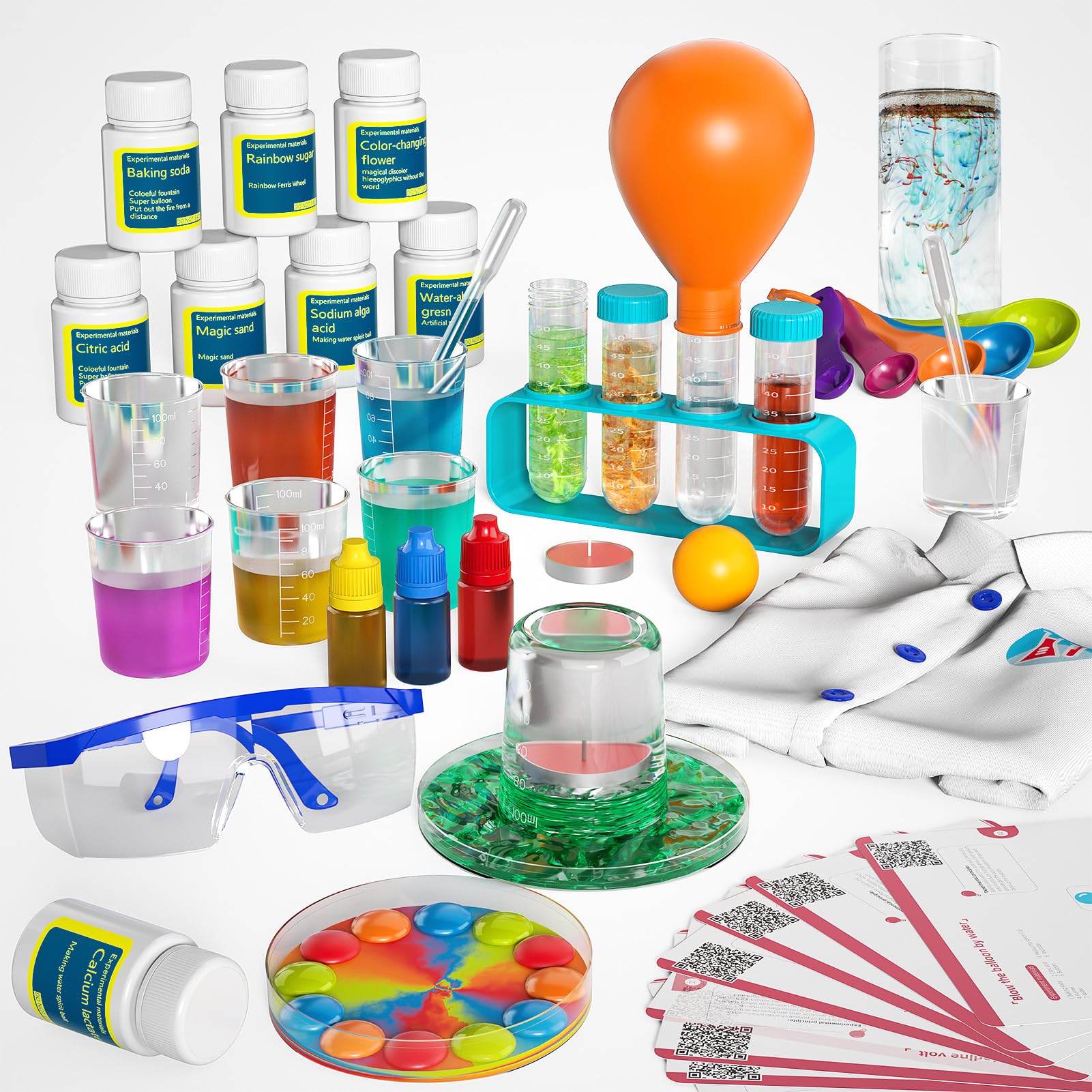
Educational companies are developing kits designed for different age groups and learning levels. Some kits focus on basic experiments for younger students, while others introduce advanced scientific concepts for older learners.
This expanding market creates opportunities for entrepreneurs and businesses interested in educational products and services.
Companies involved in importing, distributing, or selling educational tools may find science kits to be a promising business segment.
Opportunities for Education Businesses
Entrepreneurs interested in the education sector can explore several opportunities related to science kits.
These opportunities may include:
- Distribution of educational science kits to schools
- Online retail of learning kits for home education
- Educational workshops and training programs using science kits
- STEM learning centers for children
- School partnerships for practical science education programs
As educational trends shift toward experiential learning, businesses that provide innovative educational solutions can benefit from increasing demand.
Business Setup Opportunities in the UAE
The UAE has become a regional hub for education and innovation. The country actively supports initiatives that improve educational quality and encourage STEM learning.
Entrepreneurs who want to launch businesses related to educational products, training programs, or learning centers may find strong opportunities in the UAE market.
However, establishing a business requires understanding licensing regulations, company structures, and compliance requirements.
This is where professional business consultancy services become valuable.
Bizvise: Supporting Education and Business Growth
Bizvise provides expert consultancy services that help entrepreneurs establish businesses in the UAE efficiently. Their team assists investors with company registration, licensing procedures, and regulatory compliance.
For entrepreneurs exploring opportunities in the education sector, professional guidance helps ensure that businesses are set up according to local laws and industry requirements.
Bizvise helps clients navigate the administrative process while allowing them to focus on developing their business ideas and expanding their services.
Final Thoughts
Science kits are transforming the way students learn by making education interactive, practical, and engaging. These tools allow learners to explore scientific concepts through hands-on experiments that build curiosity, creativity, and analytical skills.
By supporting STEM education and experiential learning, science kits prepare students for future academic and professional opportunities.
As the demand for innovative educational solutions continues to grow, science kits represent both an important learning tool and a promising business opportunity.
For entrepreneurs interested in the education industry, investing in educational resources and learning tools can open the door to a rapidly expanding market.
With the right planning and professional guidance, businesses in this sector can contribute to improving education while building successful ventures.