Ports Authority in UAE: Detailed Guide to Port Regulations, Approvals and Business Setup
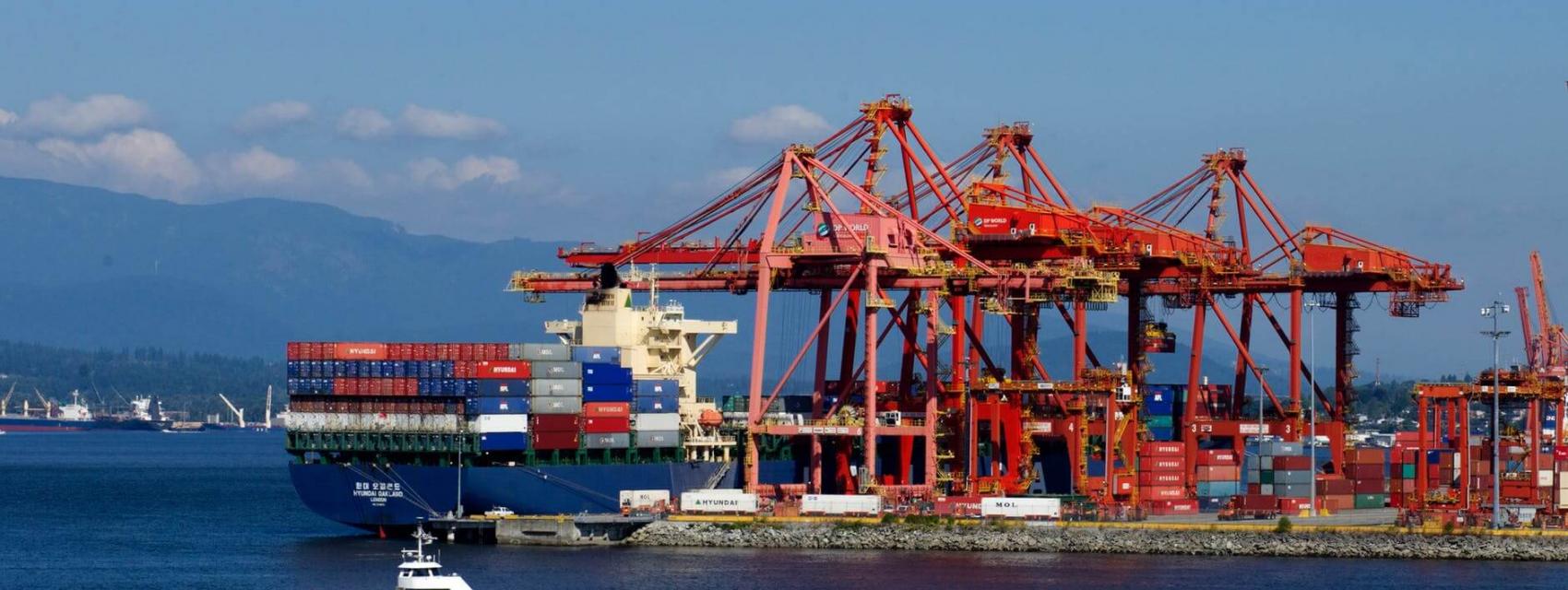
The United Arab Emirates has built one of the strongest maritime networks in the world. From global shipping lines to regional cargo operators, businesses rely heavily on efficient port systems to move goods across continents. Behind this highly organized system stands the ports authority, the regulatory body responsible for overseeing port operations, compliance, licensing, and maritime activities.
If you are planning to start a shipping, logistics, freight forwarding, marine services, or port-related business in the UAE, understanding how the ports authority functions is essential. In this blog, we will explain what a ports authority is, why it matters, how approvals work, and what businesses must do to operate legally and smoothly.
What Is a Ports Authority
A ports authority is a government entity responsible for managing, regulating, and supervising maritime ports. It ensures that port operations meet international safety, environmental, and security standards.
In the UAE, different emirates have their own port management authorities. For example, in Dubai, port operations are managed by DP World, which oversees major terminals including Jebel Ali Port. At the federal level, maritime regulations are supervised by the UAE Ministry of Energy and Infrastructure.
These authorities work together to regulate maritime trade, vessel movement, cargo handling, and port security.
Why Ports Authority Approval Is Important
If your business involves any activity within or connected to ports, you cannot operate without proper approvals. Ports authority approval is required for:
- Shipping companies
- Freight forwarders
- Marine transport operators
- Port equipment suppliers
- Ship chandlers
- Stevedoring companies
- Marine maintenance providers
Operating without necessary approvals may result in fines, suspension, or cancellation of business licenses.
Key Functions of Ports Authority
The ports authority plays a critical role in maintaining the efficiency and safety of maritime trade. Its core functions include:
- Regulating vessel entry and exit
- Issuing permits for marine activities
- Supervising cargo handling operations
- Ensuring compliance with safety standards
- Managing port infrastructure
- Enforcing environmental regulations
- Approving marine service providers
By maintaining strict regulations, the ports authority ensures that trade flows smoothly while protecting national security and environmental standards.
Major Ports in the UAE
The UAE has several internationally recognized ports. Some of the most important include:
- Jebel Ali Port – One of the largest and busiest ports in the Middle East
- Port Rashid – Known for cruise and general cargo operations
- Khalifa Port – A major deep-water port in Abu Dhabi
These ports are critical gateways for international trade and are regulated by relevant ports authorities within each emirate.
Who Needs Ports Authority Approval
Not every business in the logistics sector requires direct port authority approval. However, approval becomes mandatory if your operations involve:
- Accessing restricted port zones
- Handling cargo within port premises
- Operating marine vessels
- Providing technical services to ships
- Using port facilities for storage or loading
Types of Ports Authority Permits
Depending on the activity, businesses may require different types of permits such as:
- Marine service provider permit
- Port access card approval
- Equipment operation permit
- Vessel registration
- Temporary port entry permit
- Contractor approval
Each permit has its own documentation and compliance requirements.
How to Obtain Ports Authority Approval
Step 1: Register Your Company
Before applying for port approval, your company must have a valid trade license in mainland UAE or a free zone.
Step 2: Select Relevant Business Activities
Your trade license must clearly mention activities related to maritime or port services.
Step 3: Submit Application to Ports Authority
Apply to the relevant port authority with required documentation.
Step 4: Provide Supporting Documents
Documents may include:
- Trade license copy
- Memorandum of association
- Passport copies of shareholders
- Insurance certificates
- Safety compliance documents
- Technical qualification certificates
Step 5: Site Inspection or Evaluation
In some cases, authorities may conduct inspections or technical assessments.
Step 6: Receive Permit or Registration Certificate
Upon approval, your company can legally operate within port premises.
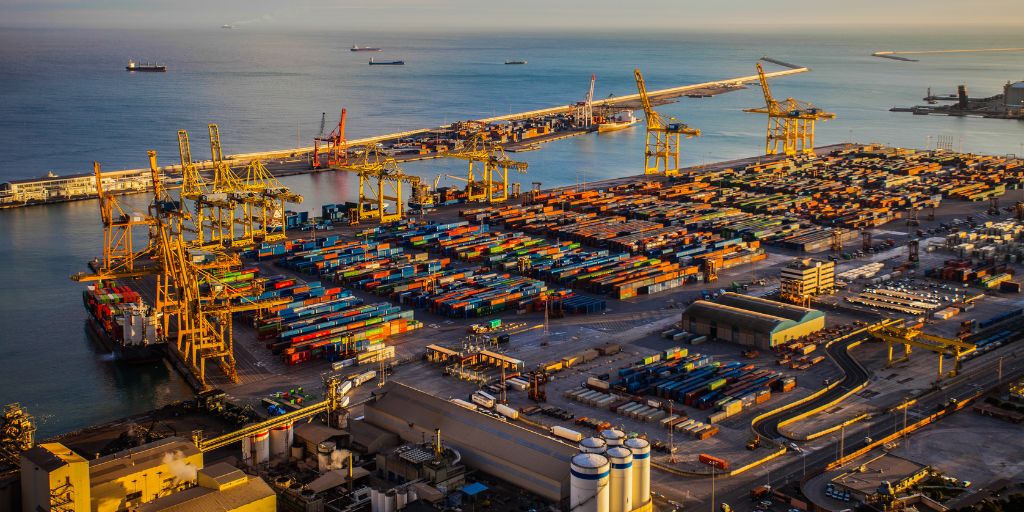
Compliance Requirements
Ports authority regulations are strict due to safety and security considerations. Businesses must comply with:
- International maritime safety standards
- Environmental protection laws
- Cargo documentation rules
- Employee safety training
- Insurance coverage requirements
Failure to comply may result in suspension or blacklisting.
Importance of Ports Authority in Business Operations
Efficient Port Operations
Well-regulated ports reduce delays and increase operational efficiency.
Security Assurance
Strict controls protect national borders and trade routes.
Business Credibility
Being registered with the ports authority enhances your company’s reputation.
Access to Global Trade
Ports authority approvals allow you to operate in major international trade hubs.
Challenges Businesses May Face
- Complex documentation
- Strict safety standards
- Insurance requirements
- Periodic inspections
- Renewal procedures
Working with experienced consultants can simplify the process and reduce delays.
Mainland vs Free Zone for Port-Related Businesses
Mainland Companies
If your operations involve direct access to UAE markets and government contracts, mainland registration is often preferred.
Free Zone Companies
Free zones like those connected to major ports offer advantages such as full foreign ownership and customs benefits.
Choosing the right jurisdiction depends on your business model and operational needs.
Renewal and Ongoing Obligations
Ports authority approvals are not permanent. Companies must:
- Renew permits annually
- Maintain updated insurance policies
- Comply with new maritime regulations
- Update documentation when shareholders change
Regular compliance ensures uninterrupted operations.
Why Ports Authority Regulations Matter for Investors
For investors entering maritime and logistics sectors, understanding ports authority rules is crucial. Without proper planning, businesses may face unexpected compliance hurdles.
Proper registration:
- Reduces operational risks
- Prevents legal penalties
- Improves client trust
- Ensures smooth cargo movement
Ports authority approval is not just a regulatory step—it is a foundation for long-term maritime success.
How Bizvise Supports Port-Related Business Setup
Navigating ports authority procedures can be complex, especially for new investors unfamiliar with UAE regulations. Bizvise provides structured guidance for businesses seeking to operate in maritime and port sectors.
Our support includes:
- Advising on correct business activities
- Selecting appropriate jurisdiction
- Assisting with trade license registration
- Coordinating ports authority applications
- Guiding documentation preparation
- Supporting permit renewals
We help businesses align with regulatory requirements while focusing on operational growth.
Final Thoughts
The ports authority plays a vital role in maintaining the UAE’s reputation as a global maritime leader. For businesses operating in shipping, logistics, marine services, or cargo handling, obtaining proper ports authority approval is essential.
From vessel permits to contractor registration, compliance ensures safety, efficiency, and international credibility. With major ports like Jebel Ali and Khalifa Port serving global trade routes, opportunities in the maritime sector are vast.
However, success depends on proper licensing, accurate documentation, and regulatory compliance. With careful planning and professional guidance, businesses can leverage the UAE’s world-class port infrastructure to build sustainable and profitable operations.