Oil Tank Procedure in UAE: Complete Compliance, Installation and Approval Guide for Businesses
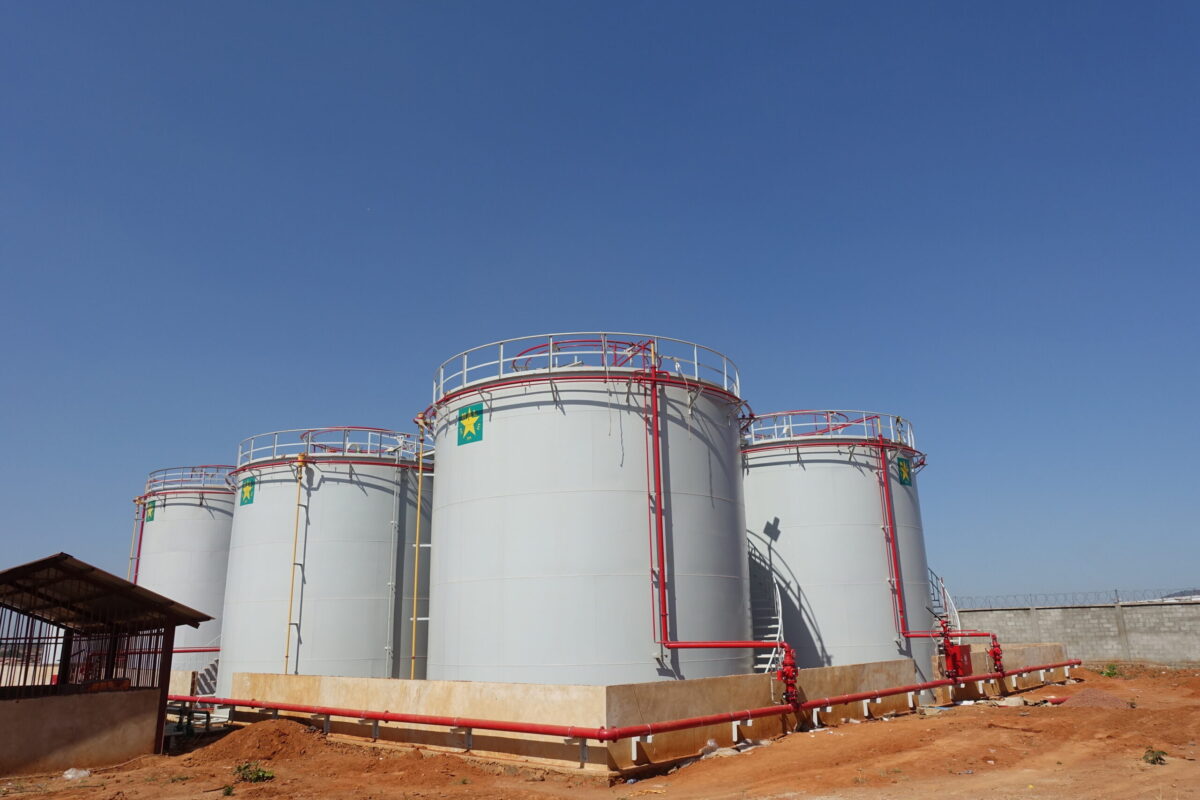
The oil and fuel storage sector plays a critical role in the UAE’s industrial and commercial landscape. From construction companies and logistics operators to manufacturing plants and fuel distributors, many businesses rely on safe and compliant fuel storage systems. However, installing and operating oil tanks in the UAE is not a simple task. It involves a structured oil tank procedure that includes technical approvals, safety inspections, environmental compliance, and regulatory clearances.
Understanding the oil tank procedure is essential for businesses that plan to store diesel, petroleum, lubricants, or other flammable substances. Improper installation or unauthorized storage can result in serious penalties, operational shutdowns, or environmental risks. This guide explains the full process, regulatory framework, required approvals, and compliance standards in detail.
Understanding the Oil Tank Procedure
The oil tank procedure refers to the regulated process required to install, operate, inspect, and maintain fuel or oil storage tanks in the UAE. It covers:
- Site approval
- Tank design compliance
- Civil defense clearance
- Environmental approval
- Installation inspection
- Operational licensing
Whether you are installing an above-ground storage tank (AST) or underground storage tank (UST), strict safety and environmental standards must be followed.
Why Oil Tank Approval Is Mandatory
Oil and fuel products are classified as hazardous and flammable substances. Without proper regulation, they pose risks such as:
- Fire hazards
- Explosion risks
- Environmental contamination
- Groundwater pollution
- Air quality issues
The UAE government enforces structured compliance measures to minimize these risks and protect public safety.
Authorities Involved in Oil Tank Approvals
Several authorities oversee the oil tank procedure depending on the project location and usage type.
In Dubai, fire safety approval is issued by the Dubai Civil Defence.
Environmental compliance may require coordination with the Dubai Municipality.
Commercial and industrial licensing is regulated by the Dubai Department of Economy and Tourism.
Industrial zone approvals may also involve relevant free zone or industrial authorities.
Types of Oil Tanks
The oil tank procedure may differ depending on the tank type:
- Above-ground storage tanks (AST)
- Underground storage tanks (UST)
- Mobile fuel tanks
- Double-walled tanks
- Bulk storage tanks
- Diesel generator tanks
Step-by-Step Oil Tank Procedure in UAE
Step 1: Define Storage Purpose
You must clearly identify the purpose of the oil tank. For example:
- Diesel storage for generators
- Fuel supply for construction equipment
- Industrial lubrication storage
- Bulk fuel trading operations
The purpose determines regulatory classification and required approvals.
Step 2: Site Selection and Layout Approval
The tank location must comply with zoning regulations. Authorities assess:
- Distance from residential areas
- Access for emergency vehicles
- Fire safety clearance zones
- Proximity to drainage systems
Engineering drawings and layout plans must be submitted for review.
Step 3: Tank Design Compliance
The tank must meet approved technical standards, including:
- Double-wall construction (if required)
- Corrosion-resistant materials
- Spill containment systems
- Ventilation systems
- Pressure control mechanisms
Design drawings must be certified by qualified engineers.
Step 4: Environmental Approval
Environmental authorities assess potential risks such as:
- Soil contamination
- Leakage prevention
- Spill control measures
- Secondary containment systems
Environmental impact review may be required for large installations.
Step 5: Civil Defense Approval
Before installation, fire safety clearance must be obtained. Authorities review:
- Fire extinguishing systems
- Emergency shut-off valves
- Hazard labeling
- Safety signage
- Access roads for emergency response
Inspection is mandatory before final approval.
Step 6: Installation by Approved Contractor
Only certified contractors can install oil tanks. Installation includes:
- Foundation preparation
- Tank placement
- Pipeline connections
- Leak testing
- Electrical bonding
All work must follow approved drawings.
Step 7: Final Inspection and Certification
Authorities conduct on-site inspections to verify:
- Structural compliance
- Fire protection systems
- Spill containment
- Alarm systems
- Safety distances
Once approved, the tank is authorized for operation.
Safety Standards and Compliance
Oil tank operators must maintain:
- Routine leak inspections
- Pressure monitoring
- Emergency response plans
- Maintenance records
- Safety training for staff
Failure to comply can result in suspension or fines.
Documentation Required for Oil Tank Approval
- Business trade license
- Site layout drawings
- Engineering design certification
- Fire safety system plans
- Environmental compliance documents
- Contractor approvals
- Maintenance plan
Incomplete documentation may delay approval.
Operational Requirements After Approval
Once operational, businesses must:
- Conduct periodic inspections
- Maintain spill kits on site
- Renew fire safety certificates
- Update insurance coverage
- Report incidents immediately
Regular audits ensure continued compliance.
Common Challenges in Oil Tank Procedure
- Incomplete engineering drawings
- Improper site selection
- Non-compliant fire systems
- Delayed environmental clearance
- Unapproved contractors
Professional planning significantly reduces approval delays.
Cost Factors for Oil Tank Installation
Costs vary depending on:
- Tank size and type
- Civil construction work
- Fire safety system installation
- Environmental protection measures
- Inspection and approval fees
- Annual maintenance
Larger tanks with advanced safety systems require higher investment.
Above-Ground vs Underground Tanks
Above-Ground Tanks
Easier inspection
Lower excavation cost
Faster installation
Underground Tanks
Space-saving
Better aesthetic appearance
Higher environmental compliance requirements
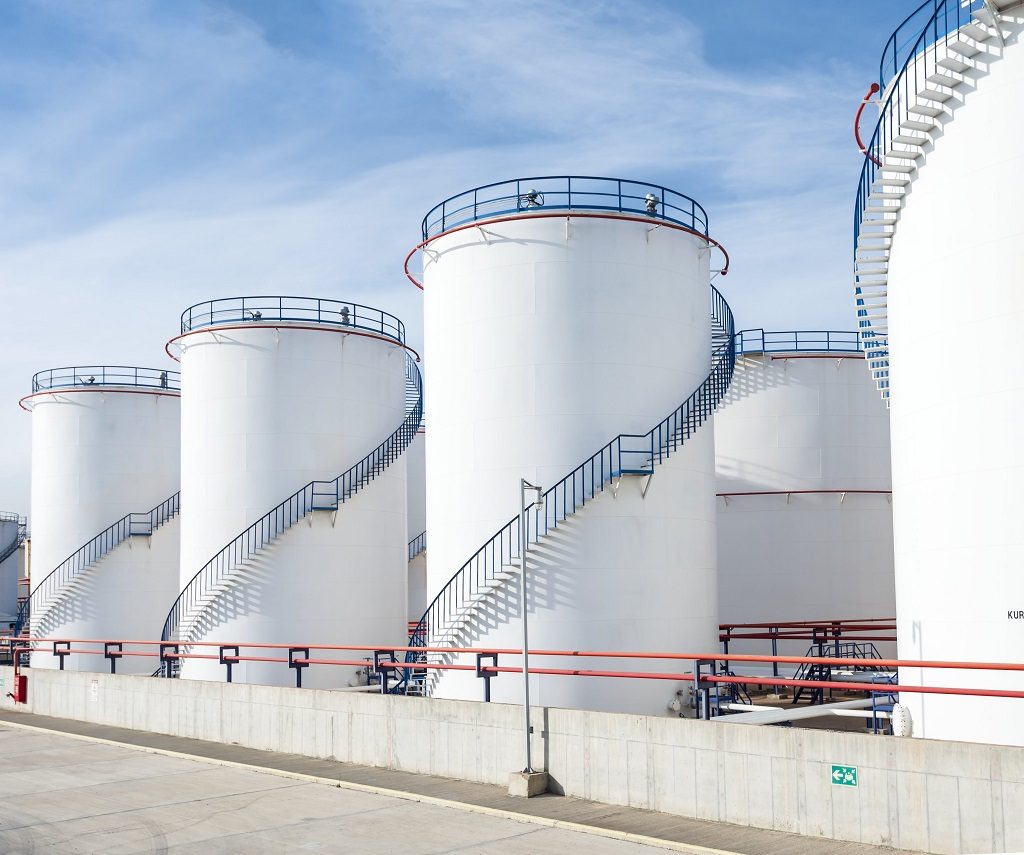
Importance of Environmental Protection
Oil leaks can cause serious environmental damage. Authorities require:
- Secondary containment systems
- Oil-water separators
- Groundwater protection measures
- Emergency spill response plans
Environmental compliance is strictly monitored.
Oil Tank Procedure in Industrial Zones
In industrial areas such as Jebel Ali, additional industrial authority approvals may apply depending on storage capacity and operational activity.
Large-scale fuel storage may require additional federal approvals.
Risk Management and Emergency Preparedness
Companies must implement:
- Fire emergency drills
- Spill response training
- Incident reporting systems
- Hazard communication plans
- Safety signage
Proper risk management reduces liability and operational disruptions.
Renewal and Inspection
Oil tank approvals are not permanent. Annual or periodic inspection is mandatory. Authorities may conduct surprise inspections to verify compliance.
Failure to maintain safety systems can lead to penalties.
How Bizvise Supports Oil Tank Approval Process
The oil tank procedure involves multiple regulatory layers and technical documentation. At Bizvise, we assist businesses by:
- Advising on regulatory requirements
- Coordinating engineering approvals
- Managing civil defense applications
- Supporting environmental clearance
- Ensuring compliance documentation
- Facilitating inspection scheduling
Our structured support ensures smooth installation and approval while reducing delays.
Final Thoughts
Installing and operating oil storage tanks in the UAE requires careful planning, regulatory coordination, and strict adherence to safety standards. The oil tank procedure covers everything from site approval and design compliance to fire safety inspections and environmental protection.
Businesses must understand that fuel storage is a regulated activity with significant safety responsibilities. Proper documentation, qualified contractors, and ongoing compliance are essential for smooth operations.
With professional guidance and regulatory expertise, businesses can complete the oil tank procedure efficiently while maintaining safety and environmental standards.