Igniting business
success in Dubai
Speak with a setup specialist about the right structure for your venture.
Setting up shop in Dubai is easily one of the most thrilling moves an entrepreneur can make. The tax advantages, top tier infrastructure and direct access to markets across the world is massive. But before taking any step towards your business setup, choosing the right trade license is the foundation. Pick the wrong setup, and you could end up paying for things you don't need, facing endless paperwork headaches or running into brick walls when trying to expand.

First things first, you need to understand how Dubai groups different types of work. The government breaks trade licenses down based on the fundamental nature of what your business actually does.
If your business is buying, selling, importing or exporting physical products, this is the one you need. Whether you are opening a boutique shop, managing a real estate firm or building an e-commerce platform, a commercial permit keeps everything legal. It also lets you group several related trading activities under one entity.
If you are selling your brainpower, technical skills, or specialized services rather than physical goods, a professional license is what you are after. This is designed for management consultants, software developers, marketing agencies, accountants, and educators. Keep in mind that for certain specialized services, authorities will ask to see your university degree or professional certifications before handing over the paperwork.
Plan on manufacturing products, processing raw materials, or running an assembly line on local soil? You will need an industrial license. This covers food production plants, garment factories, packaging facilities, and heavy engineering shops. Because you will be using industrial machinery and physical facilities, getting this approved involves extra safety, environmental, and municipal checks.
If your venture is any travel agencies, tour operations, hotels or holiday home rentals, you will need a specialized tourism license. On the flip side, if you are a solo creator or starting very small from home, options like freelance permits or eTrader licenses might be a better fit.
Getting a firm grip on these core categories is the absolute bedrock of a successful business setup in Dubai.
Once you know what kind of permit you need, you have to decide where to plant your flag. In Dubai, you are choosing between two main legal environments: the Mainland and Free Zones.
Going the mainland route gives you total freedom across the local market. You can deal directly with walk-in customers, supply local companies without needing a middleman, bid on government contracts, and open physical stores anywhere in the city. Thanks to recent policy updates, foreign founders can now enjoy 100% ownership on most mainland commercial and service setups, making this route more popular than ever.
Dubai has over thirty free zones, including well-known hubs like DMCC, Dubai South, and Dubai Internet City. A free zone setup is a favorite for new business set up dubai plans because the registration is fast, startup packages are budget-friendly, and you get 100% corporate tax exemptions on qualifying income. The trade-off? Free zone companies generally cannot trade directly with the local mainland market unless they work through a local agent or distributor.
If you aren't sure which path fits your model, talking things through with a reliable business setup company in dubai can save you from picking a jurisdiction that limits your reach later on.
A classic trap for first-time founders planning a new business setup in Dubai is choosing vague or overly general descriptions on their application. The UAE government uses a master list containing thousands of very specific activity codes, and you need to pick the exact ones that describe what you do.
If you run a digital agency, simply choosing "Consulting" isn't going to cut it—you will want codes explicitly covering social media management or advertising services.
Getting this wrong causes real headaches down the line:
For standard consulting or straightforward trading, your license can often be processed in just a few days. But if your work touches health, safety, finance, or education, expect to get external green lights before your main permit is issued.
Factor in extra time if your work falls into these areas:
Knowing these steps upfront keeps your business set up in Dubai from getting stuck in limbo halfway through.
Your permit type directly drives how much physical space you need to lease and how many team members you can bring into the country.
If you opt for a free zone consultancy setup, you can often start with a flexi-desk or shared office plan. These package deals usually include one or two investor visas without forcing you to rent a private office right away. On the mainland, however, most commercial and industrial permits require a registered commercial lease (known locally as Ejari) before your paperwork is finalized.
Be realistic about your hiring plans for year one. Make sure your initial package gives you enough visa allocations so you don’t have to pay for an expensive facility upgrade three months after launching.
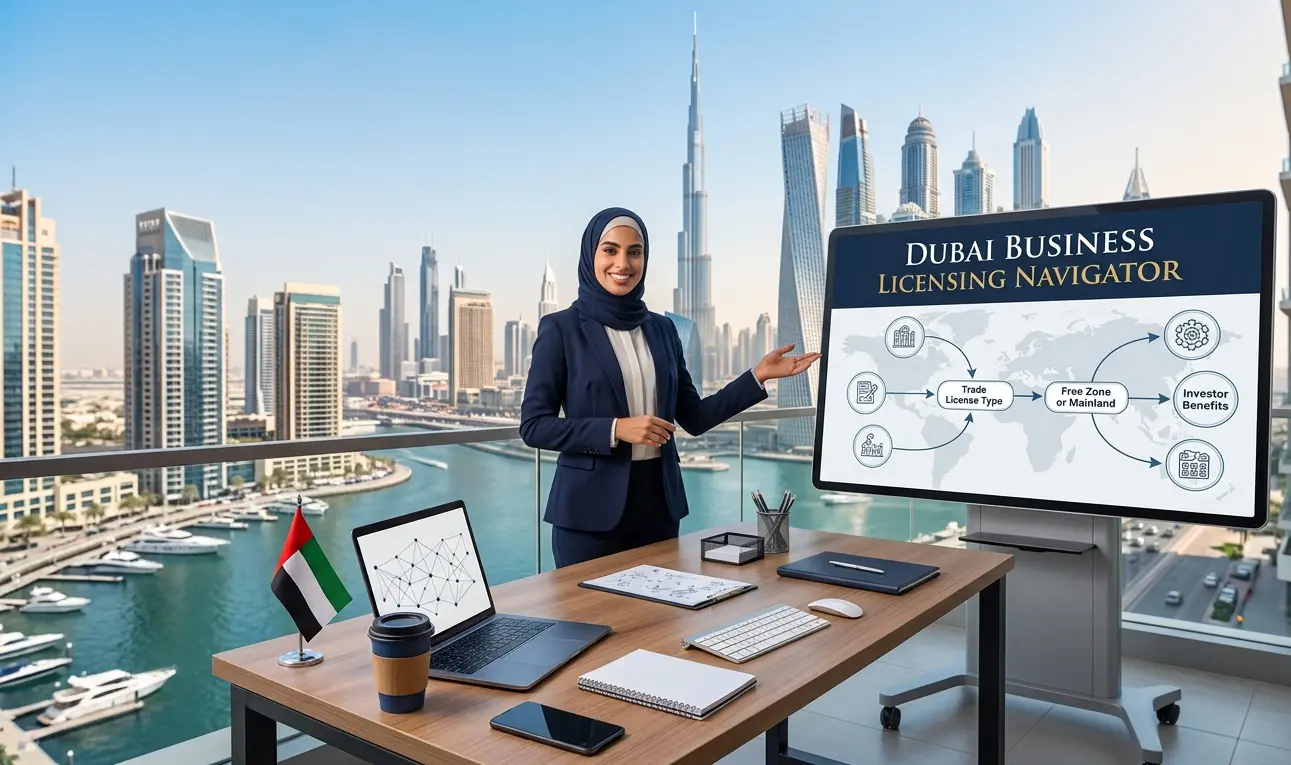
Your trade permit needs to fit where your company is headed, not just where it is today. Restructuring your business, shifting from a free zone to the mainland, or changing permit types later down the road takes time and money.
You also want to keep bank compliance in mind from day one. Opening a business account in the UAE involves thorough background checks. Banks will look closely at your chosen trade activities, your physical setup, and your ownership structure. Choosing a clean, transparent arrangement makes passing those bank checks infinitely easier.
Getting input from a seasoned dubai business setup expert early on helps you map out a sensible path that keeps your long-term goals on track.
Choosing the right trade license is all about answering a few honest questions: Are you selling goods or services? Do you need direct access to the local market or is international trade your main focus? What specific activities will generate your revenue? By aligning your paperwork with your actual daily operations, you protect your capital and build a solid foundation for real growth.
A standard commercial permit limits you to specific, related product lines (like consumer electronics or office furniture). A general trading permit is much broader, allowing you to import, export, and trade completely unrelated product categories under a single umbrella.
Yes, you can modify your permit at any time by applying for an activity amendment through your issuing authority. Keep in mind that adding activities comes with government processing fees and might require extra office space or additional approvals depending on what you want to add.
Expatriate founders can own 100% of their companies across all free zones and across the vast majority of mainland commercial and professional activities. Only a very small group of strategic or regulated sectors still require a local partner.
If your business doesn't require extra approvals from outside government departments, you can often have your trade permit in hand within 24 hours to five business days. If you need specialized clearances from health, education, or transport authorities, expect the process to take anywhere from two to four weeks.