Igniting business
success in Dubai
Speak with a setup specialist about the right structure for your venture.
Golf is one of the most popular sports among Dubai's resident and visitor population. The city already hosts world-class courses, major tournaments, and a golfing community with significant spending power and genuine appetite for premium experiences. Now add the global golf simulator industry, which hit over two billion dollars in 2025 and is projected to nearly double by 2030, and the commercial opportunity that sits at the intersection of these two trends becomes compelling for any entrepreneur paying attention.
Indoor golf simulator venues are one of the fastest-growing segments in the entertainment and leisure sector globally in 2026. They serve golfers who want to practice and play year-round regardless of weather or tee time availability. They serve corporate clients looking for distinctive team entertainment. They serve beginners who want to learn in a low-pressure environment. And in Dubai, where the outdoor golfing season is limited by summer heat and where the appetite for premium indoor leisure experiences is consistently strong, the case for a well-positioned simulator venue is genuinely strong.
At Bizvise, we help entrepreneurs and investors set up businesses across every sector in Dubai, and the golf simulator opportunity is one we are seeing more clients explore in 2026. Here is what you need to know to make it happen.
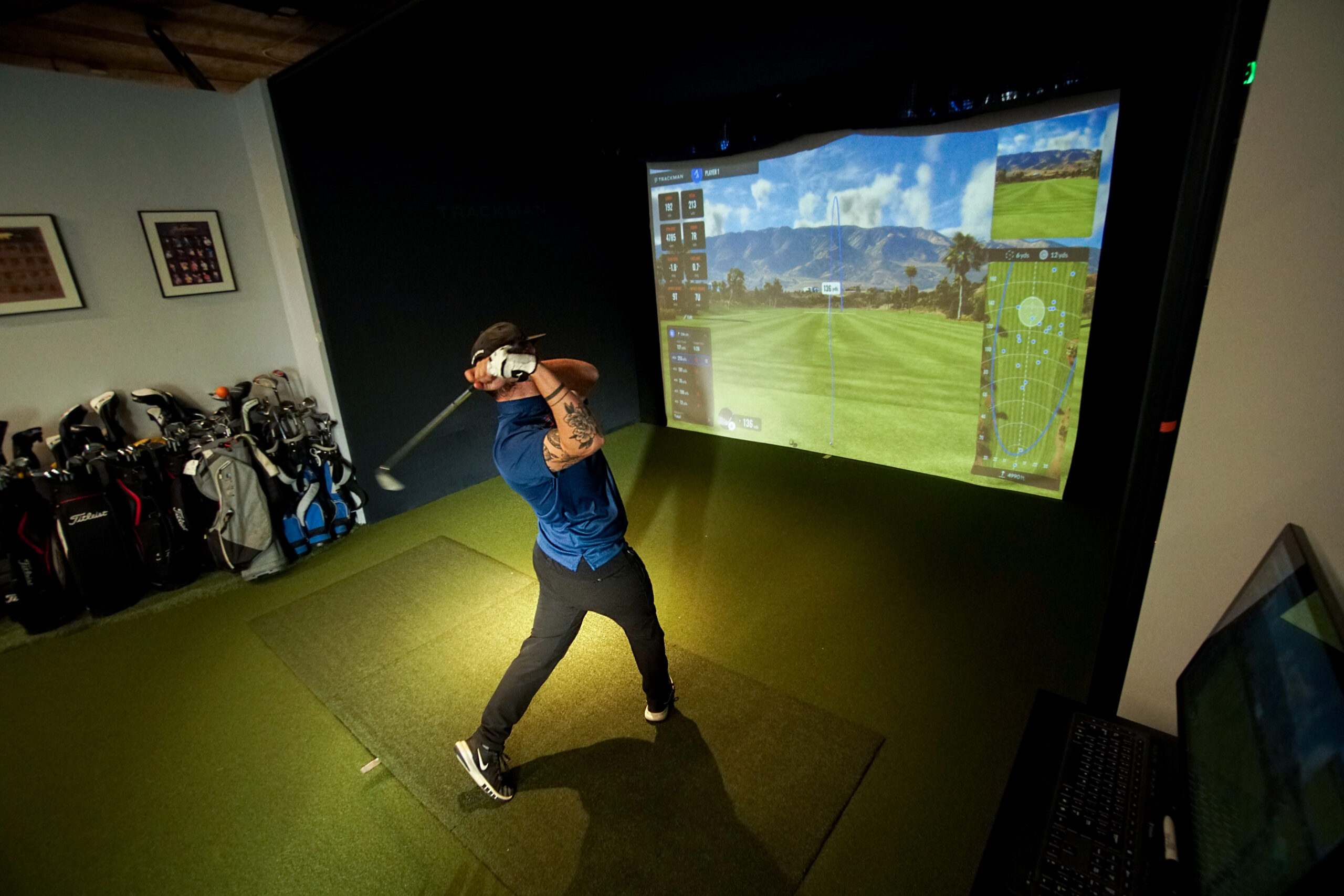
Before addressing the legal setup, understanding the commercial structure of a golf simulator business is essential for choosing the right license category and the right jurisdiction.
A golf simulator venue typically generates revenue through several streams. Hourly bay rental is the primary income driver, with groups of two to four players booking simulator sessions for practice, recreational play, or competitive formats. Corporate and group bookings, where companies or social groups reserve multiple bays for team events, can represent a significant portion of revenue and carry higher per-session values. Coaching and instruction services, where qualified golf professionals use the simulator's data and analysis tools to deliver lessons, add a professional services dimension to the operation. Food and beverage service, where permitted, typically adds twenty to thirty percent to total venue revenue and significantly extends the dwell time of customers.
Understanding which of these revenue streams your business will operate from day one shapes the license activities that need to be included and the approvals required beyond the core trading license.
A golf simulator venue falls within the sports, entertainment, and recreational services category for licensing purposes in Dubai. The most appropriate license structure depends on the scale and nature of the operation.
A commercial license covering recreational sports facility operation is the foundation of any golf simulator business in Dubai. This covers the core business of operating an indoor sports and entertainment venue where customers pay for access to facilities. For venues intending to operate coaching and instruction as a formal service, a professional services component may need to be added to the license activity list. Food and beverage service, if intended from the outset, requires a separate food establishment license from Dubai Municipality, which adds an approval process but also unlocks one of the highest-margin revenue streams available to the venue.
From a jurisdiction perspective, mainland licensing through the Department of Economy and Tourism gives the business unrestricted access to Dubai's consumer market, the ability to locate anywhere across the emirate subject to appropriate zoning, and the ability to serve walk-in traffic and retail customers directly without the intermediary structures that free zone companies sometimes require for local trading. For a consumer-facing venue that depends on footfall and direct customer access, mainland licensing is typically the appropriate choice.
Free zone licensing can suit a golf simulator business whose primary model is corporate sales, events management, and B2B bookings, where the customer base is largely international or where the business intends to operate primarily through digital and pre-booked channels rather than walk-in retail.
Operating a golf simulator venue in Dubai requires engagement with specific regulatory bodies beyond the trade license application, and understanding these approvals before beginning the setup process prevents the delays that arise from discovering them mid-project.
Dubai Municipality approval is required for the food and beverage component if the venue intends to serve food or drinks. This involves a separate food establishment license application and inspection of the kitchen and service facilities before the venue can legally serve food. This approval process runs in parallel with the trade license and should be initiated as early as possible.
Civil Defence approval is required for the physical venue before it can open to the public. This covers fire safety systems, emergency exits, evacuation plans, and general health and safety compliance. Any venue undergoing fit out in Dubai requires a Civil Defence inspection and certificate of compliance before it can admit customers, and this process takes time that needs to be factored into the opening timeline.
Dubai Sports Council involvement may be relevant depending on the scale of operations, particularly if the venue intends to host competitive events, leagues, or official coaching programmes under a recognised sporting body. For venues operating primarily as entertainment and leisure destinations, this approval may not be mandatory, but it can add credibility and open access to certain commercial opportunities.
The golf simulator market globally rewards venues that get several things right simultaneously. Equipment quality, location, space, and the overall experience the venue delivers are all factors that determine whether a simulator business attracts repeat customers and achieves the booking volumes that make the economics work.
Equipment specification matters significantly. Commercial golf simulator systems from brands including Trackman, Foresight Sports, and Full Swing vary considerably in their accuracy, software capability, and the breadth of virtual courses and game formats they offer. Premium systems capable of full shot analysis, virtual course play, and competitive game formats command a higher capital cost but enable premium pricing and attract the golf-serious customers who become loyal repeat visitors.
Location within Dubai shapes the accessible customer base. Areas with strong populations of golf-enthusiast residents, proximity to business districts where corporate bookings are a realistic revenue stream, and good accessibility and parking are all factors that experienced venue operators consistently identify as more important than rent cost alone.
Space requirements are non-negotiable. Each simulator bay requires ceiling height of at least twelve feet, ideally fourteen or more, which eliminates standard retail units and points toward warehouse, industrial, or purpose-built entertainment spaces. Planning for adequate space between bays, comfortable waiting and lounge areas, and any food and beverage service space from the outset avoids the costly compromises that come from underestimating footprint requirements.
The process of establishing a golf simulator business in Dubai involves multiple simultaneous workstreams. Trade license application, company formation, venue leasing, fit out planning, Civil Defence approval, food and beverage licensing, and visa processing all need to be managed in the right sequence and at the right pace to avoid the delays that come from getting the order wrong.
Bizvise manages this entire process on behalf of clients, from choosing the right license category and jurisdiction through to coordinating external approvals and ensuring the business is legally compliant before it opens its doors. We understand the specific regulatory requirements of recreational and entertainment venues in Dubai and we bring that knowledge to every client engagement.
If you are serious about the golf simulator opportunity in Dubai and want to move from concept to operational business as efficiently as possible, a conversation with Bizvise is the right starting point.
The golf simulator market in Dubai in 2026 is at an early enough stage that first movers with the right location, the right equipment, and the right setup approach have a genuine opportunity to establish market-leading positions. The commercial fundamentals are strong, the target customer base is here and willing to spend, and the year-round indoor nature of the business solves the seasonal limitation that outdoor golf in Dubai carries. The setup process is manageable when it is handled by people who know it well. Bizvise is here to make sure your entry into this market is as straightforward and well-structured as the opportunity deserves.
A commercial license covering recreational sports facility operation is the primary requirement, with additional food and beverage and professional services activities added depending on the specific revenue model of the venue.
Yes. Under the updated Federal Commercial Companies Law, 100 percent foreign ownership is available for most commercial activities in Dubai on both mainland and free zone licenses, including recreational and entertainment venues.
The trade license can typically be issued within two to four weeks of complete application submission. Civil Defence approval and food and beverage licensing run in parallel and may take additional time depending on the readiness of the venue. Total setup time from initial application to opening day typically ranges from eight to sixteen weeks.
Civil Defence venue approval is required before opening to the public. If food and beverage is served, a separate Dubai Municipality food establishment license is required. Depending on the scale of competitive or coaching operations, Dubai Sports Council engagement may also be relevant.
Bizvise manages the complete setup process including license selection, company formation, external authority approvals, and visa processing, providing a single point of contact for the entire journey from initial consultation to operational business.